Evaluation and Recommendations on the New Curriculum
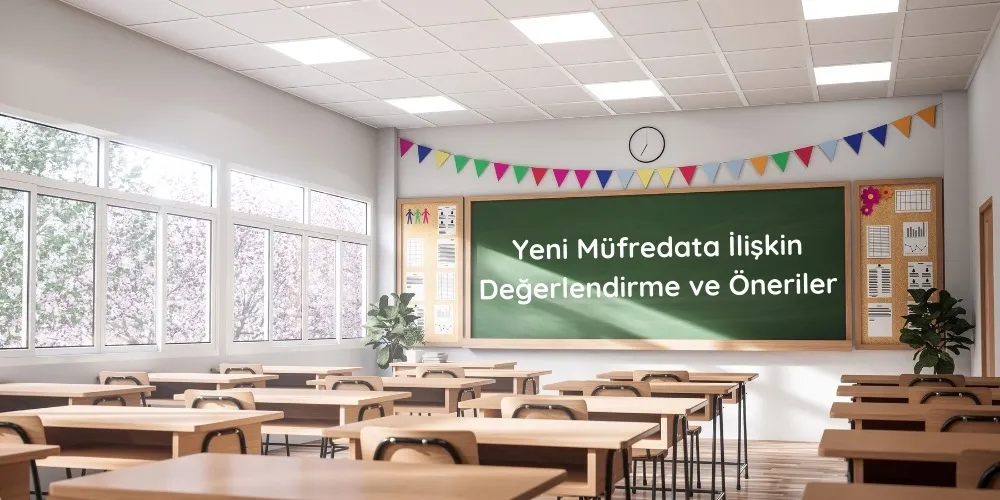
An evaluation report on the Ministry of National Education's new draft curriculum was published by 255 non-governmental organizations and 8 expert educators.
Recommendations and Assessments on the New Curriculum
An assessment report on the draft new curriculum presented to the public by the Ministry of National Education on 26 April has been published by 255 non-governmental organizations and 8 expert educators.
Stating that the new curriculum should be strongly equipped with national and spiritual values, the educators noted that they found the curriculum positive overall and put forward their views on how it could be developed further.
“The human model on which the curriculum is based; the fact that the values identified as the common element of the programs are taken as the basis across all programs; the fact that the value model, although varying from program to program, has been successfully reflected in some programs; and the fact that the programs have been handled in a holistic and skills-based structure are positive developments.” states the report, which included the following recommendations, findings and assessments:
Just as every work has aspects that can be improved, in this work too the points listed below should be taken into consideration regarding the conformity of the language and content used with national and spiritual values and the strengthening of the program with values;
- The language of the curriculum should reflect our ancient wisdom (irfan) and cultural values, and expressions contrary to our values should be avoided. Care should be taken that the concepts used throughout the program do not pose a problem in terms of faith. For example, it would be appropriate to review the concept of creation in the word “creator/creativity” used in the program (e.g. Science p. 20, 45, 49, 52; Social Studies p. 26, 56, 103; Life Studies p. 33, 57; History of the Turkish Revolution p. 15, 20; Preschool p. 22, 95) and, depending on its meaning where it occurs, to express it with concepts such as productivity, inventiveness, original and inspiring, facilitating and the like. These examples can be multiplied in other programs as well. The confusion caused by attributing this concept both to the Creator and to human beings in the Religious Culture program can be seen more clearly in the Religious Culture and Moral Knowledge (DKAB) program (p. 77).
- Some phrases and views in the program run contrary to faith. In the Social Studies program: “Students are asked to determine which of these images are entities that exist spontaneously in nature.” (p. 20). The phrase “existing spontaneously” found in the teaching–learning experiences is an explanation that severs the bond of beings with the Creator and attributes them to chance. In this respect, this expression could be presented as “entities in nature not produced by human hands” or with similar expressions.
- Some expressions in the program create a perception of randomness in the universe, of spontaneous formation, or as if things were created by nature. At this point, especially in Physics, Chemistry, Biology and Science courses, attention should be drawn to the fact that the perfection seen in living beings cannot come about by chance and that this perfection has an Artist. Students should be enabled to see the Artist just as they see the art. Although the concept of evolution is not in the program, Biology and Science have generally been written from an evolutionist, secular perspective. Using a national and scientific language instead of this language would be more correct in terms of meaning and learning outcomes.
- While the preschool curriculum program has included many ordinary events in the History strand (important days and weeks), it has not included the Çanakkale Victory and the adoption of the National Anthem (İstiklal Marşı). The Çanakkale Victory and the National Anthem should be added to the program. In addition, as in the whole program, although Mustafa Kemal Atatürk is covered extensively, our other statesmen are not covered to a sufficient extent.
- Some learning outcomes given in the programs depending on the subject area run contrary to faith. In the sentence in the Philosophy course program, “It is aimed that students understand the problem of proving the existence of God, together with the views on the existence of God (theism, deism, pantheism, atheism, panentheism), and evaluate the related thoughts and arguments.” (p. 38), the phrase "the problem of proving the existence of God" suggests that proving the existence of Allah is treated as a problem. These expressions, which will plant doubt in minds, should be rearranged in an understandable way. On the other hand, views proving the existence of Allah should also be included in the program. If they are not to be included, views expressing unbelief such as atheism should not be included in the program either. When the Philosophy of Being is explained in the Philosophy program (p. 20-21), the view of Creation should also be added to the philosophical views mentioned.
- Again, in the Philosophy program, the term “God” (Tanrı) is frequently used in the Philosophy of Religion learning area. In appropriate places, the name Allah should also be used in accordance with our faith.
- In some programs, words that fit the flow of the subject but are not included among the key concepts should be added. For example, in Social Studies (p. 73), “Hz. Muhammad” could be added to the key concepts of the learning outcome SB6.3.2 a) Determines the contributions of Islamic civilization to the common heritage of humanity.”
- Likewise, the expression “the Prophet” (Hz. Peygamber) appears in the Basic Religious Knowledge program, but it should also be ensured that he is mentioned by name as our Prophet Hz. Muhammad (peace and blessings be upon him).
- The fact that, across the programs, important figures who have become part of our culture are included in these programs as in the previous ones (e.g. Life Studies 2 p. 57 - Ali Kuşçu, Uluğ Bey, Al-Jazari, Jale İnan, Vecihi Hürkuş, Afet İnan, Engin Arık, Fuat Sezgin, Cahit Arf, Aziz Sancar, Halil İnalcık; Science p. 203 – Aziz Sancar; Biology p. 84 – Aziz Sancar; Geography p. 16; History p. 34) is an important step. However, it is seen that in some courses scientists are not mentioned by name (Social Studies p. 39) or are not included at all grade levels. In order to support students' mental, physical, spiritual and emotional development in a balanced way and to help them build character, the great figures and events of our history should be presented in a way that awakens a sense of belonging in the student. In order for values to be carried into life, the positive influence of our material and spiritual culture and of the great figures of our history on the living of values must certainly be made use of. Especially in a way that extends to preschool and the first grades of primary education, more space should be given to the lives and achievements of exemplary figures and their contributions to our culture. In this way, a contribution will be made to achieving the goal of raising “a generation proud of its history and its ancestors.”
- In this context, it should be stated that science and technological development do not belong only to the West, and it should be emphasized that national development can also advance in connection with national and spiritual values. Throughout history, Islamic civilization has made important contributions to science, art and morality. A learning outcome concerning the period regarded as “the Golden Age of Islam” could be added to learning outcome TAR.9.3.4 of the History course program, which confirms this meaning.
- Limits should be drawn as to what kinds of differences can be accepted in the phrases about respect for differences found under the Enrichment and Support subheadings.
- Although the association of the programs with values is successful in general, it is seen that in some courses this association remains insufficient and/or needs to be improved. For example, in the Social Studies program, p. 19, SB4.2, in the last paragraph, while solidarity in times of disaster is explained, it must certainly be associated with D16.2.4 “Participates in aid and solidarity activities in extraordinary situations experienced in the country (epidemics, natural disasters, etc.).” Likewise, SB.5.2.4; SB.5.3.1; D19.3 (protecting the country's assets), SB.5.4.2; D1.2; D1.4 (Justice), D14.2 (Respect), SB.5.5.1; D18.3 (Cleanliness), D5.4 (Sensitivity) can be associated. These examples can be detailed for each program. While in some courses there is only a reference to the value, for some values reference has been made to the most appropriate sub-components of the value. It can be said that the second approach is the correct one.
- In conclusion, it has been observed that, in general, the national and spiritual values highlighted in the common text are not addressed adequately and in the desired way in the other curriculum programs, and these values need to be incorporated into all curriculum programs.
PREPARED BY:
- Prof. Dr. Cihat Yaşaroğlu
- Prof. Dr. Halim Ulaş
- Prof. Dr. Selahattin Çelebi
- Assoc. Prof. Dr. Ahmet Kavlak
- Assoc. Prof. Dr. Kasım Takım
- Dr. Mehmet Yaşar
- Educator and Author Adnan Kalkan
- Educator and Author Ali Erkan Kavaklı
SUPPORTING NON-GOVERNMENTAL ORGANIZATIONS
- Açık Kapı Environment, Education and Culture Association
- Justice Platform
- Adana Faslı Bahar Social Solidarity, Education, Culture and Arts Association
- Adana Young Volunteers Association
- Adıyaman Culture and Knowledge Foundation
- Afyon Knowledge and Research Foundation
- Ağrı Culture and Education Foundation
- Ahlat Nur Knowledge, Education and Culture Foundation
- AKÇED - Malatya Gucdüvani Morality, Culture and Environment Association
- Mediterranean Culture and Education Foundation
- AKEV - Aydın Culture and Education Foundation
- Aksaray Somuncubaba Culture and Education Foundation
- Aksaray Uhuvvet Foundation
- AKULDER - Mediterranean International Students Association
- AKVA - Mediterranean Education and Culture Foundation
- Alaca Service Foundation
- Amasya Sultan Bayezid Culture Foundation
- Anadolu Tevhid Foundation
- Anahtar Social Solidarity and Culture Association
- ANÇED - Anatolian Environment, Education, Culture and Solidarity Association
- ANESİAD Malatya Branch
- Ankara Hamiyet and İrfan Foundation
- Ankara Culture and Education Foundation
- ANSED - Antalya Provincial Education, Youth, Sports, Culture and Solidarity Association
- ASDER - Defenders of Justice Association, Antalya Representative Office
- ASDER - Defenders of Justice Association
- ASSAM - Defenders of Justice Center for Strategic Studies Association
- Atik Sports Club
- Bahar Knowledge, Culture and Education Foundation
- Bandırma 17 September Culture and Education Foundation
- Bartın Education Foundation
- Battalgazi Imam Hatip High Schools Alumni and Friends Association
- Bayburt Service and Education Foundation
- Beyan Education, Culture and Knowledge Foundation
- Bingöl Knowledge and Culture Foundation
- Birlik Haber-Sen Malatya Representative Office
- Birlik Foundation
- Birlik Foundation Malatya Branch
- Biruni Youth Center and Solidarity Association
- Bitlis Bediuzzaman Said Nursi Culture and Education Foundation
- Boğaziçi Education and Culture Association
- Boğaziçi Foundation
- Bolu-Abant Education Foundation
- Boluder
- Büro Bir-Sen
- Great Family Platform Adana
- Celal Tetiker Compassion Foundation
- Contemporary Thought Research Association
- Çankırı Knowledge, Culture and Education Foundation
- Çoruh Culture, Education and Social Aid Foundation
- Çöşnük Education Association
- Çukurova Knowledge Foundation
- Çukurova Teachers Association
- Değişim Education and Culture Association
- Demirci Culture and Education Foundation
- Dersaadet Culture and Education Foundation
- Deva Bir-Sen
- Diyanet-Sen Malatya Branch
- Diyarbakır Family, Education and Culture Association
- World Children's Rights Association
- Düzce Çınar Education Foundation
- Eddai Foundation - Education, Solidarity, Thought, Research and Knowledge Foundation
- Eğitim-Bir-Sen Antalya Branch
- Eğitim-Bir-Sen Malatya Branch No. 1
- Support for Education Platform
- Eksen Der Malatya
- Elazığ Service Foundation
- Elbistan Culture and Education Foundation
- Eldenele Association
- Elmas Divit Association Malatya
- Emekli Bir-Sen
- Emir Sultan Education and Solidarity Foundation
- Enerji Bir-Sen Malatya Representative Office
- ENSAR Antalya Branch
- Ensar Foundation Malatya Branch
- Erdemli Youth Association
- Erzincan Gündüzalp Culture and Education Foundation
- Erzurum Culture and Education Foundation
- Eskişehir Osman Gazi Culture and Education Foundation
- Universal Hafizs Association Malatya Branch
- Adhan Platform
- Fahri Kığılı Foundation
- Gazipaşa Çınar Association
- Gedik Education Association
- Gediz Education and Culture Foundation
- Genç Osman Foundation
- Gençkuşak Sports Club
- GEREDER
- Giresun Knowledge, Culture and Education Foundation
- Günyüzü Education, Culture, Aid and Solidarity Association
- Habib-i Neccar Culture and Education Foundation
- HAKBİRSEN
- Hakkâri Culture and Education Foundation
- HAKBİR
- Haliliye Culture and Knowledge Foundation
- Hamidiye Culture and Education Foundation
- Hanımın Çiftliği Education Association
- HASEV - Hazreti Süleyman Education Foundation
- Hasırcılar Culture Association
- Hatunsuyu Education Association
- Hayrat Humanitarian Aid Association
- Hayrât Foundation
- Hilaliye Education Foundation
- Horata Education and Culture Association
- Huzur Foundation
- Isparta Culture and Education Foundation
- Isparta Mekke Education Foundation
- İdeal Education Association
- İDEV
- IHH Antalya Branch
- IHH Search and Rescue Association
- İHLASDER
- İKEV - Culture, Education, Environment and Health Foundation
- Knowledge, Service and Solidarity Foundation
- Society for the Dissemination of Knowledge (İlim Yayma Cemiyeti)
- Society for the Dissemination of Knowledge Antalya Branch
- Society for the Dissemination of Knowledge Malatya Branch
- İMH
- İMH - Human and Civilization Movement Antalya Branch
- İMH Demre
- İMKANDER
- Freedom of Belief Association
- İnegöl Şura Foundation
- Human Dignity Education Association
- İSDAV - Istanbul Strategic Thought and Research Foundation
- İskenderun Culture and Education Foundation
- Islamic Union Foundation
- Islamic Solidarity Society
- Islamic Civilization Foundation
- İslamköy H. Hüseyin Ergünal Culture and Education Foundation
- Istanbul Thought Institute
- İYAK - Humanitarian Aid Search and Rescue Association
- İyilik Human Rights Association
- İZEV - İzmir Education and Service Foundation
- Caucasian Peoples Association
- Caucasus Knowledge and Education Foundation
- Karabük Service and Education Foundation
- KARDOSTDER - Kumluca Brotherhood and Friendship Association
- Karesi Foundation
- Kastamonu Bedii Education and Culture Foundation
- Kelkit Culture and Education Foundation
- Kereb-i Gazi Culture and Education Foundation
- Cyprus Knowledge, Culture and Service Foundation
- Kırıkhan Culture, Education and Arts Foundation
- Kırıkkale Fatih Foundation
- Kırıkkale Knowledge, Ma'rifa and Morality Foundation
- Kırşehir Aşıkpaşa Knowledge and Culture Foundation
- Kocaeli Culture and Education Foundation
- Understanding the Qur'an Platform
- Salvation Is in the Qur'an Society
- Kutup Yıldızı (Pole Star)
- Culture, Research, Solidarity and Education Foundation
- Kültür Memur-Sen Malatya Representative Office
- Kütahya Anatolian Knowledge and Research Foundation
- LİMANDER
- Malatya Civil Association for Combating Addiction
- Malatya Religious and National Services Foundation
- Malatya IHH Humanitarian Aid Association
- Malatya Knowledge and İrfan Foundation
- Society for the Dissemination of Knowledge Malatya, İnönü University Bilgef Student Community
- Malatya Niyazi-i Mısri Culture Foundation
- Malatya Öncü Sports Club
- Malatya Önder Imam Hatip Graduates Association
- Malatya Sıla Knowledge, Culture and Solidarity Association
- Malatya Community Volunteers Union
- MANAVGAT MANAD - Manavgat Family Association
- Manisa Saruhan Bey Knowledge, Culture and Education Foundation
- Mardin Hidayet Knowledge and Culture Foundation
- Mazlum-Der Malatya Branch
- Mekteb Education and Culture Association
- Mersin Knowledge and Culture Foundation
- Merzifon Education and Culture Foundation
- MESK - Confederation of Civil Servants' and Retirees' Unions
- METİD - Mesopotamia Association of People Who Know No Barriers
- Milas Education Foundation
- National Turkish Students Union Malatya
- MİM - Guardians of the National Will
- Misk-Der - Malatya Knowledge, Arts and Culture Association
- Muğla Culture and Education Foundation
- Muş Culture, Education, Environment and Health Foundation
- Mufti Ahmet Hulusi Efendi Culture, Education and Health Foundation
- NAKEV - Nazilli Culture and Education Foundation
- Nevşehir Knowledge and Culture Foundation
- Niğde Education Foundation
- Nizip Knowledge and Service Foundation
- Nur-u Osmaniye Knowledge Foundation
- Oltu Suffa Education Foundation
- Önder Gerede İHL Association
- Uzbeks Union Association
- Lovers of the Prophet Platform
- Rabia Education, Culture, Aid and Solidarity Association
- Rize İsar Education and Culture Foundation
- Ruba Foundation
- Rumelia, Anatolia and the Balkans Knowledge and Education Foundation
- Sağlık-Sen Malatya Branch
- Sakarya Culture and Education Foundation
- SAKEV - Samsun Research, Culture and Education Foundation
- SEBİLAY Aid and Solidarity Association Alanya
- SEDE - Monitor Those You Elect Association
- Semerkand Foundation Malatya Branch
- Sena Social Solidarity Association Alanya
- Serder - Serik Education and Culture Association
- Serhat Culture and Education Foundation
- Serik İMH
- Seyyid Burhaneddin Knowledge Foundation
- Seyyid Onbaşı Culture and Education Foundation
- Siirt Education and Culture Foundation
- Simav Fatih Foundation
- Sorgun Anatolian Culture and Education Foundation
- Söke Education and Science Foundation
- Suffa Foundation
- Şanlıurfa Celiac Education, Culture, Aid and Solidarity Association
- Şanlıurfa Non-Governmental Organizations Humanitarian Aid Association
- Şems Knowledge Research Foundation - Konya
- Şura Knowledge and Culture Foundation
- Talha-Zübeyir Education and Culture Foundation
- Tarsus Culture and Education Foundation
- Taşem Der - Taştepe and Şehit Fevzi Neighborhoods Social, Cultural and Education Association
- Tatar Sports Club
- Tatars Union Association
- Tatvan Culture and Education Foundation
- TDV Darende Branch
- Tecde Education and Culture Association
- TGTV - Turkish Voluntary Organizations Foundation
- TİMAV - Turkish Imam Hatip Graduates Foundation Malatya Branch
- TİYEMDER
- Toç Bir-Sen Malatya Representative Office
- Tokat Knowledge, Arts and Research Foundation
- TOKİ Houses Education Association
- Topsöğüt Education, Culture and Solidarity Association
- Trabzon Education and Culture Foundation
- TUKEV - Turhal Culture and Education Foundation
- TÜGVA Malatya
- Turkestan Union Association
- Turkish Family Union
- Turkish Family Assembly
- Turkish Association of Theology and Higher Islamic Institutes
- Turkish NGO Union
- UKED - Uşak Culture and Education Association
- Umran Foundation
- Ümit Foundation - Sivas
- Vahdet Foundation Antalya Branch
- Van Knowledge and Culture Foundation
- Veysel Karani Culture, Knowledge and Education Foundation
- Yalova Şura Foundation
- Yedi Hilal Adana
- Yedi Hilal Association Malatya Representative Office
- Innovative Sustainable Development Association
- Yeryüzü Foundation Antalya
- Yeşeren Umutlar Education Association
- Yeşilyurt Education and Culture Association
- Yetimce - Orphan Rights Association
- Yozgat Service Foundation
- YURTDER
- Zonguldak Karaelmas Education and Culture Foundation